
Summary
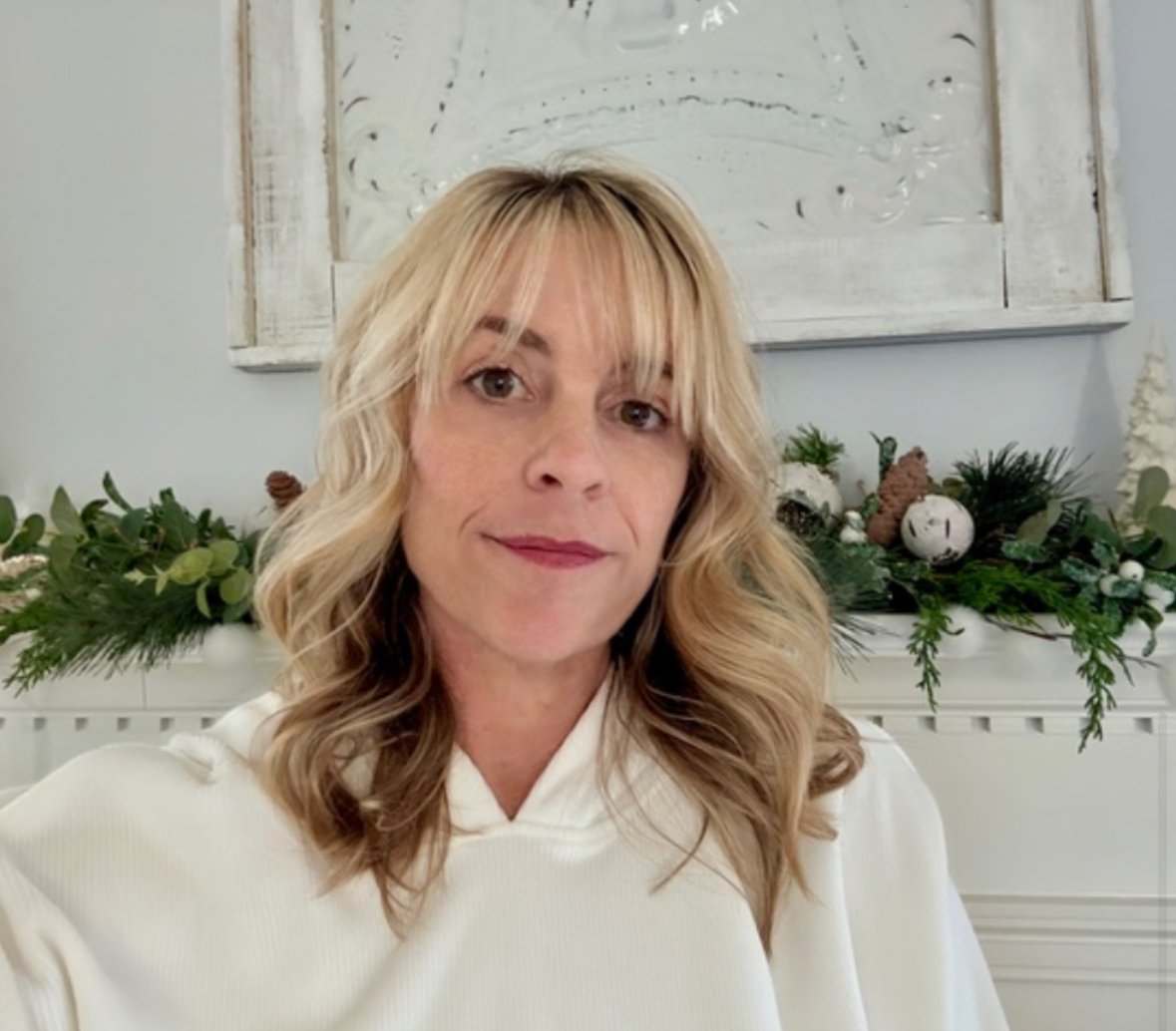
Stacey Parsons, Veteran Justice Outreach specialist at VA Tennessee Valley Healthcare System, transforms justice-involved veterans’ lives through the largest Veterans Treatment Court in Tennessee. Meeting veterans in jails, courtrooms, and crisis, she guides them through year-long programs that require sobriety, accountability, and sustained support — watching as denial turns to insight, anger transforms into mentorship, and burned bridges begin to rebuild. Her approach: show up every Tuesday, follow through on every promise, and believe in transformation even when veterans have stopped believing in themselves.
Stacey Parsons was 16 years old, sitting on a bench outside a movie theater at the mall. Her friends were hanging out together, doing typical teenage things. But Stacey was drawn to someone else, a woman from a group home who didn’t want to go into the movie with her group because she wanted to save her dollar to buy a cigarette. The woman sat outside, and Stacey sat down beside her and talked to her about her life for the next two hours.
“It was a little inappropriate for a 16-year-old,” Parsons reflects now with a laugh. “But my friends were over there hanging out, and I was sitting there talking to her. Even at that age, I just sort of gravitated toward hearing people’s stories and empathizing with them.”
That instinct, that gravitational pull toward people who are struggling, has shaped Parsons’ entire career. Today, as a Veteran Justice Outreach (VJO) specialist at VA Tennessee Valley Healthcare System, she works with veterans involved in the legal system, meeting them in jails, courts, and Veterans Treatment Courts across middle Tennessee and southern Kentucky. She helps them navigate the complex VA system, connect to treatment, address unmet needs, and break the cycle that brings so many veterans into repeated contact with law enforcement.
“I was always the peacemaker in my family,” Parsons explains. “I was always trying to make things better and trying to help. I truly believe this is a skill that God gave me, just the desire to help people be their best selves, to help them on their journey of self-improvement, to make things better for people.”
That divine calling, combined with very human empathy, drives work that most people could not do. Supporting others during their most difficult times. Work that demands following through on promises when veterans have been let down by every system they’ve encountered. Work that means showing up every Tuesday at Veterans Treatment Court, leading group sessions, advocating, troubleshooting, and celebrating small victories that represent monumental changes.
The Path to Justice-Involved Veterans
Parsons didn’t set out specifically to work with justice-involved veterans. Like many social workers, her path evolved through experience and opportunity. She has been in VA’s homeless program for about 13 years, starting in the U.S. Department of Housing and Urban Development-VA Supportive Housing (HUD-VASH) Program getting veterans housed and providing case management.
“Through that, I began to see the Veteran Justice Outreach program because it falls under the homeless program,” Parsons explains. “Just seeing what a great program it was, and there’s not a lot of openings for it. It’s a smaller program. So, when one came open, I was like, I need to be a part of that.”
Her first real exposure to how powerful justice interventions could be came while working as a HUD-VASH social worker. She had gotten a veteran into housing and was providing case management when he ended up in Veterans Treatment Court, a specialized court program that can last a year to 18 months. The veteran was a heavy marijuana user, so much so that he would end up in the emergency room with severe abdominal pain from the marijuana use. Despite that, he could not quit.
The Veterans Treatment Court required him to abstain from all drugs and alcohol. No exceptions, and for that entire year-long program, he did.
“Watching him in that environment go a year without using when he had never been able to do that before, I was like, well, that’s a pretty cool program,” Parsons recalls. “Just watching the changes with him as he did that was amazing. That was my first light bulb moment of, wow, that’s quite a unique and awesome program.”
She has been working as a Veteran Justice Outreach specialist for about six and a half years now. “I love it,” she says simply.
What Justice-Involved Veterans Face
The statistics are stark and sobering. Justice-involved veterans are three times more likely to attempt suicide compared to veterans not involved in the justice system. Their risk for homelessness increases significantly. Many struggle with untreated post-traumatic stress disorder, traumatic brain injuries, substance use disorders, and mental health conditions that stem directly from their military service.
“We’re social workers who work with veterans involved in the legal system in some way,” Parsons explains. “Our goal is to make contact with them, look at what unmet needs that they have in their life, and then try to plug in services and resources into those needs. Because what we see is when we do that, their life becomes more stable, and they are not in those situations or settings as often where they’re having encounters with law enforcement.”
The work is both proactive and reactive. Parsons and her colleagues provide outreach to community partners, law enforcement agencies, courts, and jails so that when they encounter a justice-involved veteran, they know who to call.
Montgomery County: A Model Partnership
Parsons serves Montgomery County, Tennessee, home to Fort Campbell and one of the most remarkable Veterans Treatment Courts in the nation. The Montgomery County Veterans Treatment Court is the largest in Tennessee and reportedly the fourth largest in the country. Currently, they have 95 participants.
“That’s really huge,” Parsons emphasizes. “Shelby County in Memphis has about 73 right now, so they’re another large court. But then you’ve got courts that have five participants or 13 participants.”
What makes Montgomery County’s court especially unique is that it serves both veterans and active-duty service members, split about 50–50. “Most of our work is with the veterans in the program, but what’s great about serving active duty is as they’re transitioning, we get them right then. We’ve got access to them. We start with them as soon as they’re transitioning.”
The court has been in place for about 12 years, so it’s well established. Attorneys and public defenders know about it and actively get their veteran clients enrolled as they enter the legal system. “It’s just a great place in the community to be plugged into,” Parsons says.
Her partnership with the Veterans Treatment Court is the most impactful part of her work. Every Tuesday, participants report to court. They meet with their court case manager. They go before the judge, and they attend group sessions led by Parsons and her Veteran Justice Outreach colleague.
“We do a group with our veterans every Tuesday before court,” Parsons explains. “Our main focus is we want to give them the opportunity to build connections with each other. They’re veterans, they already relate to each other. They already have a lot in common, and now they’re in Veterans Treatment Court, and they have this in common. It can be very stressful to do Veterans Treatment Court and do life. There’s a lot of requirements to that court program.”
People often misunderstand what Veterans Treatment Court involves. “Some people look at it and go, oh, you’re just letting that veteran get away with their bad behavior and breaking the law,” Parsons notes. “It’s easier to take a DUI program than it is to successfully complete this program. It’s very intense.”
Voluntary But Mandatory: The Treatment Court Paradox
Veterans Treatment Court operates on what Parsons calls a voluntary-but-mandatory basis. “We always say it’s voluntary. Nobody’s making them do it. They agreed to do it. But once they agree to go in the program, stuff becomes mandated. They agree to do whatever treatment is clinically recommended. They agree to all the program policies and rules and requirements.”
Veterans often enter the program resistant and defensive. “You see them drag their feet at that point where they’re like, eh, I don’t need this,” Parsons says. “But we say, no one’s forcing you to be here. You’re choosing to be here. And by choosing to be here, you’ve agreed to do this.”
Not everyone comes in resistant, but a significant portion do. Some veterans insist they don’t have a problem thinking they don’t need treatment or counseling groups.
Some insist they don’t have a problem with alcohol, despite their substance use resulting in legal charges or other problems. Regardless of the charge that led them to the VTC program, they are required by the court to carry around a secure continuous remote alcohol monitoring device, called a SCRAM device, that they blow into four times a day to prove they’re not drinking.
“With the majority of them, as they go through the program, you start to see that thinking change,” Parsons explains. “That is one of the most amazing things about this program.”
When You Stop Numbing: The Power of Sobriety
What happens when you take away the substance a veteran has been using to cope? Something profound.
“A lot of the veterans that come into the program do have a problem with alcohol, an addiction,” Parsons explains. “But not necessarily all of them. Some got a DUI because they misused alcohol, drank too much and then drove. They’ll say, I don’t have a problem with alcohol. I’m not an alcoholic, and that very well may be true.”
But here’s what Parsons has observed: there is a drinking culture in the military. Veterans get out and think that’s normal. Drinking becomes a regular part of their daily life. Often, it’s misused as self-medication, a way to numb difficult thoughts and feelings.
“When they start to feel uncomfortable, start to think about things maybe they don’t want to, start to feel some feelings they don’t want to, they start to drink,” Parsons explains. “They stop that thought process right there. They’re numbing it. They’re stopping those feelings.”
When you take that away and say you can’t drink for a year, they’re no longer stopping right there. “They then start to travel their thoughts down other roads and start to think and see things in different ways because they’re no longer just stunting and numbing it right there.”
The transformation can be remarkable.
“You see them start to have different ‘aha’ moments. You see them start to follow thoughts down different roads that they never have. You see their thinking change. You see their perspectives change. You see the growth. That is the most amazing part in my mind of Veterans Treatment Court and our work with them.”
The First Contact: Assessment and Trust Building
When a veteran enters the Montgomery County Veterans Treatment Court, they attend an orientation. The court then refers them to Parsons and her colleague before they officially enter the program. That first meeting is crucial.
“We sit down and meet with the veteran and do an hour-plus-long assessment,” Parsons explains. “We’re essentially doing our psychosocial, gathering all that information, all that history, all that current stuff to figure out what their needs are, figure out what treatment they’re needing to make that clinical recommendation.”
The assessment cannot be rushed. “You can’t just be going down your list of questions. You have to be genuine and show your care and that you really want to help, and they have to feel that. So, it’s building that relationship with them that first time so that they’re comfortable opening up and sharing their information with you.”
Barriers: Denial, Resources, and Burned Bridges
The barriers Parsons encounters are numerous and complex. Denial runs deep.
“They may not have the insight to realize the role that drinking is playing in their life. They’re not ready to change that. They’re not ready to stop that. They’re not ready to go through the painful process of therapy that it can be.”
Resources are limited. Not every county has a Veterans Treatment Court. “You may have a veteran who’s in a county that doesn’t have a Veterans Treatment Court in or near their county, and they don’t have the option,” Parsons notes. “That’s a big barrier. We need more Veterans Treatment Courts out there.”
Character of discharge presents another challenge. Veterans with other-than-honorable discharges may not be eligible for VA services, creating obstacles to treatment. Though recent changes now allow veterans to request discharge upgrades under certain circumstances, particularly if their discharge was related to mental health or substance use issues.
Then there are the burned bridges. Many justice-involved veterans have damaged relationships with family and friends through their behavior while under the influence.
Veterans Treatment Court can change that dynamic.
“They do start to make those behavior changes because they’re in a situation where they can’t continue. They’re starting to do things differently, and that really goes very far with starting to repair some of those relationships.”
Building Trust in a System That Has Failed Them
Trust is perhaps the biggest barrier. “Skepticism runs pretty deep with our veterans,” Parsons acknowledges. “It’s based on the training they’ve had. They’re vigilant, and there’s times where maybe they’ve tried getting services at VA before and they’ve encountered an obstacle and they said, ‘okay, forget it, I’m done.’”
So how do you build trust with someone who has every reason to be skeptical?
“Really what is most effective, even in the therapeutic process, is the rapport and the relationship we have with the person,” Parsons explains. “Obviously, your first interaction, you don’t have that, so it’s very important to start to build that in that first interaction.”
It starts with genuineness.
“You can’t be in there just checking boxes. You have to really have genuineness. You have to really care. You have to really want to invest and do what you can to help that person, and that’s going to come across. They’re going to see it or they’re not going to see it.”
Genuineness is not enough. Trust is built through follow-through and detail.
“If you don’t hear from someone, I want you to call me back. By middle of next week, I’m going to follow up on that for you. So it’s that follow-through. All of that just goes to building that trust with them and that belief that they know you’re actually willing to help them, you want to help them, you’re going to do what you say you’re going to do.”
Reaching Beyond the Courtroom
Building trust one veteran at a time in the courtroom is transformative work. But Parsons and her team also work to reach veterans before they ever need a Veterans Treatment Court.
Through the Deflection Initiative and jail outreach across the region, they intervened earlier in the cycle. Research shows veterans have on average seven encounters with law enforcement before becoming involved in the criminal justice system. “We want to reach them in one of those first six times,” Parsons explains.
One simple but powerful change: asking “Have you ever served in the military?” instead of “Are you a veteran?” Many don’t identify as veterans if they didn’t see combat or served briefly. “By changing the question, we’re able to capture more, we’re able to reach more.”
A Transformation Story: From Angry and Stuck to Mentor and Leader
One veteran’s journey illustrates the power of the program. He was intensely angry and anxious. His PTSD and hyperarousal made it impossible for him to sit still or follow a train of thought. His frustration tolerance was so low that if he called to make an appointment and encountered what felt like an obstacle, even just a question, he would hang up and give up.
“He would be like, ‘forget it, I’m done’,” Parsons recalls. “We would get nowhere because his frustration tolerance was so low.”
In their first meeting, which lasted nearly two hours, the veteran was desperate. “I will do whatever you want me to do. I just need help. I can’t make it happen. I just need someone to help me.”
Parsons discovered he had tried to get therapy through VA’s community care program but kept hitting obstacles he couldn’t navigate. A provider would say they didn’t have authorization, or he needed to go to their sister agency. He would hang up, unable to process one more complication.
Parsons picked up the phone and called while he sat beside her. She worked through the problem in real time, modeling how to navigate obstacles. They called the provider. They called the sister agency. They got the authorization. They connected him to treatment, right then and there.
“If you run into trouble, you’ve got my number, call me,” Parsons told him. “If you feel like you’re hitting an obstacle, call me. I’ll help you through it.”
He did call when he needed help, and Parsons saw him every week in the Veterans Treatment Court program. “How’s it going? You have any difficulties? How’s therapy going?” She was there to help whenever needed.
As soon as he started getting treatment, going through the program, sitting in groups, building coping skills, everything changed. “When you kind of put that package together for them and you show them how to operate in there, he was able to take it, he was able to start to get it, and that calmed everything down. He was able to develop some skills.”
Today, about eight months into the program, he is a different man according to Parsons.
The anger is gone. He’s not as intensely wound up. He’s now mentoring other veterans in the program. He’s volunteering at community agencies. He comes to group with resources: “Hey, guys, if you want to do this, we’re doing this on this day, come out and help.”
When another veteran shares in group that he’s at risk of losing his housing because he doesn’t have a job, this veteran responds: “Hey, what kind of work do you do? I know a guy. Stay with me after group.”
When the peer support specialist who hosts coffee with veterans twice a month can’t commit to weekly sessions, this veteran steps up: “You know what I’m going to do? The other Saturdays, I’m going to do it. I’m going to meet all the veterans there. I’m going to do the other ones.”
“He is a different man,” Parsons says. “It’s been amazing.”
Measuring Success Beyond Recidivism
How do you measure success in work where outcomes are not always directly correlated to your efforts?
“It’s hard in our profession,” Parsons acknowledges. “It’s hard sometimes to know if we’re doing a good job because it’s not always directly correlated to the improvements they make.”
For Parsons, success is not just about reduced recidivism, though Veterans Treatment Courts have proven effective at that. Success is something deeper and more personal.
“The measure of success would really be, is their life becoming more stable? And when I say that, I don’t mean it’s not as stressful or you’re not getting in trouble. But also, are they experiencing more peace? Are they at a better place mentally and emotionally? Are things going better for them in life? Is their thinking changing? Are they coping better? Have they developed good coping skills? Have they built up supports? To me, all of that quality of life, that’s what is a measure of success. If we see improvements in those areas.”
Staying Grounded: Faith, Balance, and Boundaries
This work is emotionally intense. How does Parsons stay grounded, manage stress, and avoid burnout while showing up for veterans at pivotal moments in their lives?
“It’s a variety of things,” Parsons says. “Sometimes if you stay in a particular job or position too long, sometimes you can get burnt out. So sometimes it may call for a need for a different position. My last position before this, I got to the point of burnout for sure. So, I came to this position and immediately that changed.”
She has been a Veteran Justice Outreach specialist for six and a half years and has not reached burnout yet. “But when you are, it is time to make that change, because you’re not going to be effective with people. We can’t do our best when we’re burnt out.”
Work-life balance is essential. “I believe in having a balance between work and life, number one. You got to have that balance.”
But the foundation is deeper. “For me personally, my faith in God gives me a different perspective on why we’re here, why we’re going through what we’re going through, what’s most important, how we react to those things that we’re going through. All of that is impacted by my faith. So that is a big one.”
She also has strong support at home. “I have a wonderful husband. We’ve been married 32 years. He’s a veteran, so he’s supportive.” She takes her leave rather than letting it accumulate. She and her husband love to travel. “You got to do things that feed the soul.”
What People Don’t Understand About Justice-Involved Veterans
When someone joins the military, they’re trained for war. Whether they go to war or not, most military occupations are designed to support the readiness mission for war. For those whose jobs put them in combat, the training goes deep.
“They’re trained that someone’s always trying to kill them,” Parsons explains. “What do you think that does to their psyche? They come home and that is something that’s embedded in them.”
That training doesn’t turn off when they come home. Even veterans who don’t meet the full criteria for PTSD have been impacted. “They’re always on alert. They’ve been trained that someone is always trying to get them. They’re always in that hyperarousal. They’re always doing this safety risk assessment. That changes their personality. It changes how they see the world. It changes their mental health functioning.”
Parsons wishes more people understood this reality. “I’m not even talking about your most extreme cases. I’m talking about your average veteran. You don’t even know by looking at them that anything is going on.”
With that understanding comes empathy. Without it, fear takes over. “How empathetic can anyone be if they’re afraid of that veteran, of what they can do? You can’t be empathetic if you don’t understand.”
What Parsons Wants People to Know About Veteran Justice Outreach
The program has limitations. “Typically, we’re not involved with veterans in civil matters. Unfortunately, we’re not able to help veterans that have child custody issues or child support arrears, stuff like that. So, there’s limitations for sure.”
What Parsons most wants people to know is simply that the program exists.
“We just want people to know what we do. When they come across that veteran who’s having some legal problems, they go, oh, I heard about this program. I heard about VJO social workers. Let’s figure out how we can get you connected to them. The more that know, the more can be sent to us.”
What Veterans Day Means
“It’s like anything,” Parsons reflects. “If you don’t stop to think about it, it doesn’t register much on our radar. Like, we can have a holiday, and it might not even register with people. You’ve got to take the time and stop and think about it. What does it mean?”
For Parsons, the meaning is personal and profound. “Listen, I didn’t sign up. And frankly, I don’t think I could. I don’t think I have that in me. I couldn’t do what they did. I could not.”
Thinking of it that way gives weight to their sacrifice. “You’ve got to honor that. I’ve got a family full of veterans. My husband was a veteran. My son just got out of the Army. It’s a special breed of people, really, to be able to sign up and literally sign up to put their lives on the line for other people in our country. I couldn’t do that. So, I’ve got to honor that. They really do.”
At VA Tennessee Valley Healthcare System, Stacey Parsons honors that sacrifice every single day. She honors it by showing up every Tuesday at Veterans Treatment Court. She honors it by following through on promises when veterans have been let down by every other system. She honors it by taking two-hour phone calls with veterans who cannot navigate a massive organization alone. She honors it by believing in transformation even when the veteran has stopped believing in themselves.
She honors it by meeting veterans exactly where they are, whether that’s in a jail cell, a courtroom, a crisis, or on the difficult path toward healing.
Resources for Veterans & Healthcare Professionals
Veteran Justice Outreach & Legal Support
- VA Veteran Justice Outreach Program: Veterans Justice Outreach Program – VA Homeless Programs
- Veterans Treatment Courts: Justice for Vets – All Rise
- Character of Discharge Upgrade Information: How To Apply For A Discharge Upgrade | Veterans Affairs
- VA Legal Services: Legal Help for Veterans – Office of General Counsel
VA Healthcare & Patient Care Services
- VA Health Care Enrollment: How To Apply For VA Health Care | Veterans Affairs
- My HealtheVet: Home – My HealtheVet – My HealtheVet (Manage VA healthcare, prescriptions, and appointments)
- Veterans Crisis Line: Dial 988, then press 1 | Text 838255 | Veterans Crisis Line
Mental Health & Substance Use Treatment
- PTSD Treatment: PTSD: National Center for PTSD Home
- Substance Use Disorder Treatment: Substance Use Treatment For Veterans | Veterans Affairs
- Vet Centers: Find VA Locations | Veterans Affairs (Community-based counseling and readjustment support)
Law Enforcement & Community Partners
- Crisis Intervention Team (CIT) Training: CIT International – Home National Alliance on Mental Illness (NAMI): National Alliance on Mental Illness (NAMI) | Mental Health Support, Education & Advocacy
Tennessee Valley Healthcare System
- TVHS Main Site: VA Tennessee Valley Health Care | Veterans Affairs Nashville VA Medical Center: 1310 24th Avenue South, Nashville, TN 37212
About Stacey Parsons
Stacey Parsons is a Veteran Justice Outreach specialist at VA Tennessee Valley Healthcare System, where she has worked for 13 years in homeless programs and the past six and a half years specifically with justice-involved veterans. She serves Montgomery County, Tennessee, which is home to Fort Campbell and the largest Veterans Treatment Court in Tennessee. Parsons provides direct outreach, assessment, and case management for veterans involved in the legal system, partnering closely with courts, law enforcement agencies, jails, and community organizations. She is married to a veteran, is the mother of a recently separated Army veteran, and considers her work with justice-involved veterans her calling and her passion.
Veteran Excellence Magazine celebrates outstanding leadership in veteran healthcare and services.